AEP Tuning : Complete Guide to Engine Reprogramming

In the world of automotive tuning, optimizing engine performance without compromising reliability is the holy grail that many pursue. With the advancement of onboard technology, engine remapping has never been more accessible or precise. AEP Tuning now positions itself as a solid reference for those who wish to adapt their vehicle’s ECU calibration, increase engine power while controlling fuel consumption. This comprehensive guide reveals the technical details of this operation, the objectives to aim for, but also the pitfalls to avoid. Whether you are an amateur looking to boost your car or an experienced enthusiast aiming to refine your engine mapping, understanding each step profoundly changes your approach to automotive tuning.
Engine remapping is no longer limited to a simple coarse adjustment. Today, we speak of a fine and tailored ECU calibration that takes into account the unique specifics of each engine block. Engine diagnostics become an essential preliminary step: without understanding the exact state of your system, you risk wasting time, money, and worse, damaging your mechanical components. Through this guide, the concept of performance optimization is rigorously decoded, making this step clear and accessible within your mechanical improvement project. It then becomes possible to perform intelligent tuning, respectful of the engine and producing notable gains in power and efficiency.
How does engine remapping with AEP Tuning work?
Engine remapping with AEP Tuning primarily relies on recalibrating the electronic control unit, better known by the acronym ECU (Engine Control Unit). This unit controls in real-time a series of key parameters – injection, ignition, turbo pressure, rev limiter, etc. – to ensure optimal operation, but also to meet emission standards. The principle of remapping is to adjust the engine mapping to improve efficiency according to your goals, whether it’s engine power or fuel economy.
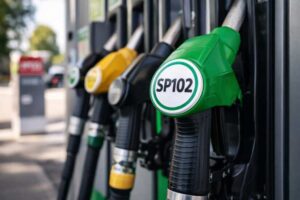
The process begins with a thorough engine diagnosis, using specialized tools to read fault codes and monitor sensors. For example, understanding why an issue like a P2562 error code on a Peugeot might appear is crucial before considering any modifications. Then, by analyzing parameters such as intake temperature, turbo pressure, or fuel quality (SP102 and other high-performance fuels), the engine map is adapted accordingly.
AEP Tuning uses advanced software to modify the ECU calibration and precisely adjust:
- The timing and quantity of fuel injection for an optimal air/fuel mixture
- The ignition timing to prevent knocking and improve combustion
- The management of turbo pressure, essential in case of forced induction
- The limiters and control parameters, often restricted at the factory for regulatory reasons
This fine approach not only allows increasing engine power safely but also optimizes fuel consumption and reduces premature mechanical wear. The secret lies in the right balance between performance and reliability, which AEP Tuning masters perfectly thanks to its field experience.

What concrete benefits can be expected from engine remapping?
The benefits of a successful engine remapping with AEP Tuning go far beyond the simple power figures displayed on a dyno. In practice, the first noticeable sensation is often a better throttle response, a more responsive torque, and increased flexibility at low revs. These improvements make driving more dynamic without sacrificing smoothness.
In addition to increased engine power, there is also a significant improvement in fuel economy. Yes, you read correctly. An intelligent mapping allows optimizing combustion under normal usage conditions, limiting unnecessary waste. This kind of optimization distinguishes AEP Tuning from less sophisticated offers, where the sole pursuit of power causes fuel consumption to explode. It’s not just brute tuning; it’s technical optimization.
Furthermore, with a well-thought-out remapping, it is possible to:
- Extend the lifespan of the engine through better thermal and oil pressure management
- Reduce pollutant emissions by adjusting injection parameters
- Decrease rough idling and improve overall smoothness
- Customize the mapping according to your driving style and the type of roads used
For example, for a motorsport enthusiast, setting up the mapping for track use will be very different from a road-oriented tuning. And if you want to go further, customizing your unique car with modifications integrated into the ECU calibration offers a personalized experience, as explained on CustomAuto.
The table below illustrates a typical before/after comparison with AEP Tuning:
| Criterion | Before remapping | After AEP Tuning remapping |
|---|---|---|
| Engine power | 150 hp | 185 hp (+23%) |
| Maximum torque | 280 Nm | 345 Nm (+23%) |
| Average fuel consumption (L/100 km) | 8.5 | 7.9 (-7%) |
| Throttle response | Moderate | Lively and responsive |
| CO2 emissions | 180 g/km | 170 g/km (-6%) |
What are the risks and limitations associated with engine remapping?
Like any optimization, engine remapping carries certain risks if done without caution. The first pitfall to avoid is rushing into generic solutions promising wonders without accurately diagnosing the vehicle beforehand. In such cases, you risk causing anomalies or even damaging your engine.
For example, ignoring symptoms such as a P0113 code related to the intake air temperature sensor being insufficiently accounted for can distort the mapping and lead to performance losses. Automotive tuning should always rely on a solid engine diagnosis and an adaptation of parameters to the actual condition of your mechanics.
Next, it’s also important to consider hardware constraints: a heavily worn engine, poorly managed forced induction, or unsuitable injection can compromise long-term reliability. Specifically, AEP Tuning always recommends performing a complete mechanical check before engaging in remapping, to avoid ending up with costly repairs.
Another limit concerns legality. Some modifications can render the vehicle non-compliant with regulations, which may result in unfavorable technical inspections or insurance issues. The topic is detailed on legality of tuning depending on the country and region. It is therefore essential to be well-informed.
In summary, here are some tips to avoid common mistakes:
- Never remap without a complete engine diagnosis
- Always prioritize a tailored ECU calibration, avoiding generic “flashes”
- Verify the overall condition of the engine and peripherals (turbo, exhaust system, intake)
- Respect local standards and the strict warranty conditions of the manufacturer
- Consult an experienced professional such as AEP Tuning, capable of providing post-intervention support
What tools and steps are necessary to successfully remap with AEP Tuning?
Successfully remapping requires a strict methodology and the use of appropriate tools. First, a reliable engine diagnostic tool is fundamental. It allows reading fault codes and accessing real-time data from the lambda sensor, turbo pressure, air temperature, engine temperature, and others. Each data point is crucial for accurately adjusting the engine mapping.
Next, AEP Tuning works with recalibration software capable of modifying the internal files of the ECU. These software tools allow to set:
- The injection values (duration and timing)
- The ignition timing
- The management of turbo pressure
- The cut-off speed and limiter settings
After modification, testing on the road or on a dynamometer is essential to validate the settings. These tests ensure that the engine responds well to the adjustments without creating excessive mechanical stress.
It is also important to create a backup of the original mapping before any intervention. This allows easy restoration of the factory configuration in case of problems or vehicle resale. This simple advice helps avoid many complications.
Finally, like any complex adjustment, patience is key. Taking the time to gradually adapt the mapping and monitoring performance over several usage cycles is the best guarantee of durable and effective tuning.
How to extend the effects of remapping and maintain your engine?
After an engine remapping, it is essential to adopt some good practices to preserve performance gains and avoid prematurely stressing the mechanics. One of the first recommendations is to choose suitable fuel, preferably of higher quality and compliant with the manufacturer’s recommendations, like the often-mentioned SP102 type in the context of engine performance.
Then, regular maintenance remains vital:
- Frequent oil changes with suitable oils to withstand new thermal constraints
- Periodic checks of air and fuel filters to ensure good flow and quality intake
- Monitoring the cooling system to prevent overheating
- Checking spark plugs and ignition cables for optimal ignition
Thinking about regular engine diagnostics, even without warning lights, helps anticipate and correct small imbalances. Diagnostics are allies of successful tuning; they prevent issues from developing into problems that could affect the recalibrated map.
For those looking to go further into personalization, car tuning is no longer limited to electronics. The integration of mechanical modifications synchronized with remapping is a natural step. The guide on mechanical modifications for motorcycles gives a good overview of possibilities for two-wheelers, but the principle also applies to cars.
In summary, to ensure your vehicle maximizes the benefits of a remapping with AEP Tuning:
- Prioritize rigorous and appropriate engine maintenance
- Choose high-performance, quality fuel
- Regularly use diagnostic tools to monitor vehicle condition
- Complement remapping with coherent mechanical modifications if possible
- Listen to your car’s behavior and adjust accordingly
Is engine remapping compatible with all car brands?
Most modern vehicles equipped with an ECU unit can be remapped, but compatibility depends on the model, the electronic system, and the protections implemented by the manufacturer.
Can I revert to the original mapping after remapping?
Yes, a backup of the original mapping is systematically made before any modification, allowing you to return to the factory configuration at any time.
Does engine remapping increase fuel consumption?
Not necessarily. A properly calibrated remapping can even reduce fuel consumption by optimizing engine operation under normal conditions.
What precautions should be taken before engine remapping?
Always perform a complete engine diagnosis, ensure the engine and peripherals are healthy, and choose a qualified professional to create a custom map.
Is engine remapping legal?
Legality depends on local regulations and the impact on pollutant emissions. It’s important to inform yourself, as detailed on www.auto-tuning.xyz/est-ce-que-le-tuning-est-legal.
Article written by Julien – a passionate mechanic and tuner.

Related Posts