Scenic 3: Understanding the causes and recognizing the warning signs of engine failure

You’re driving a Scenic 3 and suddenly, the message “Engine failure risk” appears on the dashboard. This alert is never insignificant, even if its sudden appearance can be surprising. Behind this notification often lie malfunctions related to the emissions control system, sensors, or gradual mechanical wear. To avoid being caught off guard by a costly engine breakdown, it’s crucial to understand what this message really means, what the true risks are, and above all, how to anticipate the warning signs. There’s no need to panic: a quick and informed reaction can save you thousands of euros and, most importantly, preserve the life of your engine. In 2026, with Scenic 3 models often approaching 100,000 km, this article is for anyone who wants to understand the causes of engine failure and avoid disaster.
The Scénic 3 is a popular vehicle thanks to its versatility and comfort, but it’s not without its technical flaws, especially with its diesel engines. The “Engine failure risk” warning message can stem from a simple faulty sensor or a more serious problem related to engine overheating, an oil leak, or a timing chain issue. Understanding these factors is essential to distinguishing between a simple electronic glitch and a real threat to your engine. For those looking to extend the life of their engine while optimizing car maintenance, this detailed analysis offers concrete solutions, supported by real-life examples from workshop cases. Forget unnecessary worries and discover how proper maintenance and thorough engine diagnostics can prevent costly repairs.
- Understanding the “Risk of Engine Failure” message: its role and urgency
- Identify the specific symptoms before the breakdown occurs
- Explore common causes associated with the Scenic 3
- Act quickly: first steps to take in case of an alert
- Prevent engine failure through targeted and regular maintenance
What exactly does the message “Risk of engine failure” mean on a Scenic 3 and why act quickly?
When the message “STOP – Risk of engine failure” appears on your Scenic 3, it means the engine control unit (ECU) has identified a potentially critical fault. What does this alert mean? The ECU continuously monitors various key parameters: oil pressure, engine temperature, the injection system, and the condition of the diesel particulate filter (DPF). If any of these elements falls outside the normal operating range, the car warns you to prevent a serious breakdown.
This emergency message can appear even without an immediate loss of power, which is often surprising at first. Sometimes it appears after several hours of steady driving, when the engine is cold, or even after a thorough wash. The variety of these situations clearly shows that the problem is not limited to a single cause. The dashboard warning light may be orange, indicating an alert that should not be ignored, or red, where immediate cessation of the engine is strongly advised. It is not uncommon for this message to be accompanied by additional notifications such as “Check Injection” or “Check Emissions,” further emphasizing the urgency of the situation.
A quick engine diagnostic can determine whether the problem is purely electronic—such as a faulty sensor—or a more serious mechanical issue, like an engine oil leak or the beginning of engine overheating. In the case of the Scénic 3, engine failures related to the emissions control system remain very common, especially on diesel models. Seeing this message is therefore not unusual, but failing to act can lead to engine damage and repair costs that can reach several thousand euros.
It’s important to understand that driving with this warning light on can worsen the situation. For example, insufficient oil pressure can lead to accelerated wear of internal engine parts, while a clogged DPF (Diesel Particulate Filter) can block engine operation and force it into limp mode. This message is therefore a strong signal, an alert that the Scénic 3 is sending you to protect its mechanical heart. You can therefore consider this warning light a real safeguard: ignoring it would be a potentially fatal mistake for your vehicle.
What are the common warning signs of engine failure on the Scenic 3?
Before the “Engine failure risk” message appears on the dashboard, several clues can alert you that something is wrong. These warning signs are often subtle, but they deserve your full attention if you want to avoid a serious breakdown.
Dashboard alerts
The most obvious signal is, of course, the appearance of the red or orange warning light and the associated message. But there are other signals that often precede this alert:
- Intermittent messages : the light comes on and then goes off, which indicates an electronic malfunction or a fluctuating value received by the computer.
- Additional messages : “Check injection”, “Check anti-pollution”, or even “Check ESP” are frequent and better decipher the cause.
Unusual engine behavior
While driving, you might notice:
- Loss of power : your Scenic 3 struggles to exceed 80-90 km/h, especially uphill or during sudden accelerations.
- Switching to degraded mode : the engine limits its power to protect itself, which often results in a “sluggish” driving experience.
- Unstable engine speeds at idle, signs of irregular combustion which may originate from the injectors or the particulate filter.
Other physical signals
In addition to electronics, keep an eye on:
- Black smoke during acceleration indicating an injection problem or a DPF blockage.
- Smell of burning or oil, often a sign of a latent engine oil leak or an overheated exhaust.
- Abnormal engine noise, clicking or knocking sounds which may indicate advanced wear or a lack of lubrication.
These signals are warning signs that should prompt a quick vehicle inspection. Based on these observations, a precise engine diagnosis is essential to prevent engine failure.
What are the most common causes of engine failure on the Scenic 3? A complete analysis
To help you better anticipate engine failures, here is a detailed list of the most frequent faults that cause the “Risk of engine failure” message on the Scenic 3:
- Diesel particulate filter (DPF) saturated or clogged This is the number one cause, especially for diesel engines. Repeated short trips prevent the DPF (Diesel Particulate Filter) from regenerating naturally, leading to gradual clogging. The P242F fault code is often linked to this problem, which can appear as early as 80,000 km in some cases. If you mainly drive in the city, beware! A clogged filter restricts the flow of exhaust gases, leading to increased fuel consumption and eventually triggering the warning light.
- Faulty sensors A faulty exhaust gas pressure sensor or a faulty DPF differential pressure sensor can send incorrect data to the engine control unit (ECU). This triggers a false engine failure warning, but bypassing the warning to perform an accurate diagnosis remains essential. Replacing this type of sensor costs between €450 and €550 and often resolves 60% of problems.
- Worn or faulty injectors After 150,000 km, injectors often show signs of wear and can cause power loss or abnormal smoke. Replacing them is not cheap (around €750 per injector), but necessary to prevent further engine damage.
- Engine oil leaks and related problems Punctured hoses, faulty seals, or cracks in the lubrication system can cause a drop in oil pressure, which is immediately detected by the engine control unit. An untreated engine oil leak quickly leads to engine failure due to overheating or excessive friction.
- Timing belt Premature failure of the timing belt, sometimes before 100,000 km, is a frequently reported problem with some Scenic 3 models. The manufacturer recommends changing it every 90,000 km maximum. A broken timing belt can cause valve or piston damage and complete engine destruction.
- Turbo problems A faulty solenoid valve or punctured hoses can cause overpressure or underpressure, disrupting fuel injection and causing the engine to run erratically. This can lead to repeated engine failures if the problem is not detected early.
Each cause must be precisely analyzed through appropriate engine diagnostics, ideally using an OBD scanner. This step allows repair efforts to be focused on the faulty part, thus avoiding extensive and costly overhauls.
Summary of causes and possible interventions
| Cause | Key diagnosis | Average repair cost |
|---|---|---|
| Clogged particulate filter (DPF) | Fault code P242F | €150 – €1,500 (regeneration or replacement) |
| Exhaust gas pressure sensor | Sensor-related error codes | €450 – €550 |
| Damaged injectors | Black smoke, loss of power | €700–800 per injector |
| Engine oil leak | Low oil pressure, visible leak | Variable depending on the source of the leak |
| Worn or broken timing belt | Engine noises, loss of synchronization | €500–€700 (preventive), > €3,000 if breakage |
| Turbocharger and solenoid valve faulty | Engine instability, turbo fault code | Price varies depending on the item, €300–800 |
If in doubt, do not hesitate to check the specific symptoms of the vehicle To best pinpoint the fault. To limit damage, avoid pushing the engine when one of the aforementioned signals is present.
What should be done immediately and what repairs should be considered when faced with a “Risk of engine failure” message?
The first thing to do when this message appears depends on the color and the context:
- Red “STOP” light Stop immediately in a safe place. Turn off the engine. Check the oil level before attempting to restart. If it is low, do not restart and call a tow truck. Any further attempts could damage the engine.
- Orange light : you can continue to drive carefully, but limit your speed to 80 km/h and avoid strong accelerations and high engine speeds.
Provide the garage with as much information as possible: when the problem occurred, driving conditions, and the presence of any other warning lights. This will make diagnosis easier.
At the garage, the interventions are staggered according to the results:
- Forced DPF regeneration : often effective for unclogging a saturated particulate filter, cost between €150 and €250.
- Sensor replacement : gas pressure sensor or DPF differential, approximately €500.
- Change of injector : expect to pay around €750 per faulty part.
- Belt repair or replacement : preventative maintenance costs around €600, but in case of breakage, the cost can sometimes exceed €3,000.
Never ignore these signs. Regular air filter cleaning, as detailed in this… complete guide and tipsIt can also indirectly help to preserve engine performance and delay certain problems related to the combustion system and emissions control.
How to prevent engine failure on a Scenic 3: practical advice and appropriate car maintenance
The best way to avoid engine failure is to act proactively, with rigorous car maintenance and good driving habits adapted to the Scénic 3. Here’s what really makes the difference:
Adherence to maintenance intervals
Always change your oil on schedule, ideally every 10,000 to 15,000 km, and more often if you drive in the city with frequent stops. Use oils that meet manufacturer specifications to avoid premature wear.
Regular monitoring of sensors and filters
Sensors are often the cause of “Engine Failure Risk” warnings. An inspection at 80,000 km can prevent unexpected alerts. The particulate filter should also be monitored: prioritizing journeys on highways of at least 20 minutes allows for DPF regeneration.
Adopt a driving style that preserves the engine
- Avoid exclusively urban and short journeys. Your engine doesn’t always reach its ideal temperature, which is bad for the DPF.
- Alternating between urban and suburban areas provides a better engine cycle and reduces fouling.
- Avoid sudden accelerations when the engine temperature is cold.
Use of quality fuels
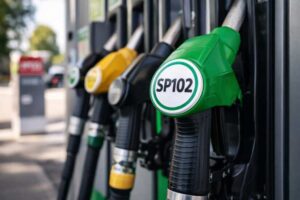
Fuel plays an important role. A premium fuel (specially tested and validated, see this article on SP102 high-performance fuel) and injector cleaning additives help to limit deposits and extend the life of injection and pollution control systems.
Keep an eye on the mileage and the belt
The Scenic 3 requires regular timing belt replacement, ideally every 90,000 km. Skipping this step can lead to major mechanical failure. It is also advisable not to exceed 200,000 km without a thorough engine check.
By combining these tips, you reduce the risk of the “Engine Failure Risk” warning light and improve reliability. These are simple steps, but they often prevent costly repairs and unnecessary stress.
Why does the message “Risk of engine failure” appear without any loss of power?
This message can be triggered by a faulty sensor sending incorrect information to the engine control unit (ECU), even if the engine is not yet mechanically damaged. However, it is essential to act quickly to prevent the situation from worsening.
How to check the engine oil level on a Scenic 3?
Check the oil level on level ground with the engine cold, by removing the dipstick and ensuring the oil level is between the minimum and maximum marks. A low level can trigger an engine failure warning.
What are the risks of not replacing the timing belt on time?
A delay in replacement can cause the belt to break, leading to collisions between pistons and valves, which can completely ruin the engine and generate very costly repairs.
Can the particulate filter be cleaned by oneself?
A forced regeneration in a garage is recommended. Home cleaning can help minimize deposits, but does not replace professional intervention if the filter is saturated.
What are the advantages of using premium SP102 fuel?
SP102 allows for better combustion, reduces deposits in injectors and limits the clogging of the DPF, thus helping to avoid engine failures related to pollution.

Related Posts