Cartographie Engine: Everything You Need to Know About ECU Reprogramming in 2026

Are you planning to boost your engine’s performance while keeping an eye on reliability and fuel consumption? Engine mapping and ECU reprogramming have become essential for anyone looking to get the most out of their car or motorcycle in 2026. These technologies are now at the heart of engine optimization, allowing precise adjustments to electronic management and fuel injection. But with innovations, precautions, and calibration methods, it can be overwhelming. This article delves into the fine mechanics of engine reprogramming with real examples, expert advice, and a focus on the latest advances that are changing the game on the road and tracks.
From custom torque tuning to dynamic engine power understanding the basics and limits of automotive technology in 2026 is essential for safe optimization. Whether you’re an informed enthusiast or an experienced technician, you’ll discover how each adjusted parameter influences the overall engine behavior and how to avoid common pitfalls while preserving your engine’s longevity. Tuning has never been as accessible and sophisticated at the same time, but every step deserves serious consideration.
How does engine mapping influence automotive performance in 2026?
Engine mapping is now more than just a tuning tool. It is at the core of the electronic management of all modern vehicles. In 2026, thanks to major advances in ECU calibration, engines benefit from fine optimization of parameters like combustion, air distribution, and fuel injection.
Essentially, engine mapping adjusts how the ECU interprets signals from multiple onboard sensors to optimize combustion within the engine block. This directly impacts engine power and torque, in other words the perceived force and responsiveness at the wheel or handlebar. Imagine modifying not only the amount but also the precise timing of fuel injection: the gains are immediate, with better acceleration and sometimes reduced fuel consumption.
For a concrete illustration, let’s take recent developments in AEP engine reprogramming and their comprehensive guide available at aep-tuning-guide-complet-de-la-reprogrammation-moteur. These settings push optimization to such a level that you can significantly improve performance without compromising engine longevity. But be careful; all of this requires specific skills: it’s not just about increasing turbo pressure or RPM, but ensuring perfect harmony among all components.
In 2026, automotive technology allows leveraging real-time data thanks to advanced vehicle connectivity. This evolution facilitates ECU calibration, which now adapts instantaneously to different environments or driving styles. This opens the door to personalized profiles that can be tuned depending on whether you favor performance or fuel economy.
However, there’s a common trap to avoid: poorly adapted reprogramming or overly aggressive mapping can quickly lead to malfunctions or irreversible damage. This type of mistake is described in some reports about DTC 1525 Renault symptoms, where incorrect ECU calibration causes engine issues. It’s always better to favor calibrated and homologated reprogramming.
What are the essential technical aspects during ECU reprogramming?
When talking about ECU reprogramming, it’s not just about increasing engine power. It’s a precise craft that involves several critical parameters.
Here are the key technical points to consider:
- Fuel injection: modify the duration and frequency of injection to optimize the air/fuel mixture richness.
- Electronic management: adjust ignition timing, camshaft positioning, and maintenance intervals for optimal synchronization.
- Rev limiters and turbo pressure: set these caps to increase power without exceeding risky zones.
- Engine temperatures: manage cooling strategies to prevent overheating with increased performance.
- Lambda sensors: fine-tune exhaust gas readings for better combustion and reduced harmful emissions.
The main challenge is balancing power gains with mechanical stability. For example, boosting the turbo excessively might bring immediate gains but also rapid temperature rises and accelerated component wear.
In practice, skilled technicians, such as those working on reputable chiptuning, use dynamometers and advanced diagnostic tools during reprogramming. This ensures reliable, durable, and reproducible results — a point often overlooked that can be verified in the complete guide to engine reprogramming, AEP, power gains, and complete methods.
It is also important to recognize that each vehicle brand and model has its specificities. A Peugeot, Renault, or sports motorcycle will never have the same optimal mapping. Hence the importance of referring to precise references, like this guide on mechanical modifications for motorcycles, even if working on a two-wheeled vehicle. In 2026, the synergy between electronics and mechanics makes all the difference.
Practical case: the impact of precise timing
Ignition timing is often criticized. Even a slight shift in mapping can cause torque loss or, worse, knocking harmful to the engine. Properly done adjustments improve smoothness during RPM increases and ensure better fuel efficiency.
Engine mapping: how to avoid common tuning mistakes?
In engine optimization, some mistakes are so common they deserve to be highlighted. Underestimating the risks of approximate ECU reprogramming can be costly in repairs. Caution is advised, especially when dealing with electronic management, a key part of modern mechanics.
Here are the classic errors to avoid:
- Applying generic maps: each vehicle reacts differently. An ill-fitting engine map can cause misfires or overconsumption.
- Skipping on-power bench testing: essential to measure the actual impact of modifications.
- Neglecting additional adjustments such as thermal management and exhaust system tuning.
- Ignoring manufacturer limits, especially torque and pressure constraints that maintain engine integrity.
- Not performing a full diagnostic after reprogramming, which prevents early detection of DTCs or failure locking.
If you want even more details, the operation and risks associated with car chip tuning are well explained on this site, an excellent complement to understanding legal and reliability issues.
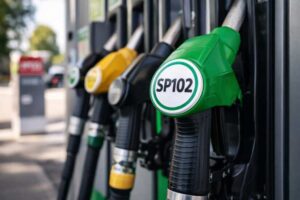
Finally, fuel choice also plays an often underestimated role. For example, using a fuel suited to the new map, such as an SP102 with high octane rating, can optimize performance and protect your engine during pressure peaks. For this, there are specific tips available in this resource dedicated to SP102 fuel performance.
In summary, a successful reprogramming requires careful preparation and relies on both technical precision and component quality, as well as rigorous follow-up.
The 2026 trends: what are the new developments in ECU calibration and engine optimization?
With the rise of hybrid and electric vehicles, one might think engine mapping is losing relevance. In reality, automotive technology in 2026 has evolved radically to incorporate even more advanced solutions blending mechanics and electronics, even in traditional internal combustion engines.
In 2026, ECU calibration relies on advanced algorithms capable of managing multiple parameters simultaneously in real time. Artificial intelligence and machine learning are now embedded in some controllers, allowing management of fuel, and engine dynamics to adapt to driving style, weather, and terrain. It’s a significant breakthrough for automotive performance.
For enthusiasts interested in customization, it is now possible to obtain a unique engine map, perfectly tailored according to driver preferences and profile, using advanced and accessible tuning software. The customauto: personalize your car to be unique phenomenon is booming and democratizing a new form of engine optimization tailored to each.
We also notice a variety of tools that simplify quick diagnostics after modifications, with connected boxes allowing real-time electronic management analysis and ECU calibration correction without leaving the vehicle.
Below is a table comparing the evolution of key ECU calibration criteria from 2020 to 2026:
| Criterion | 2020 | 2026 |
|---|---|---|
| Fuel injection management | Fixed parameters per engine cycle | Dynamic real-time adaptation |
| Turbo pressure | Limited manual adjustment | Intelligent and automated electronic management |
| Real-time diagnostics | External tools required | Integrated into onboard telemetry |
| Mapping customization | Standardized and generic | Tailored by AI and user profiles |
Performance enthusiasts can now look forward to hybrid developments combining engine optimization with electronic innovations, with increased focus on eco-responsibility and emission control.
ECU reprogramming: tips to maximize your engine power without compromises
Want to push your car or motorcycle to the maximum without damaging the engine or breaking the bank? Here are practical tips you can apply right now to succeed in your project
- Choose an approved reprogramming: safety first. An official tune ensures a balance between power gains and compliance with standards.
- Get a complete diagnostic before any intervention, including sensor and gauge checks to avoid reading errors.
- Pay attention to fuel quality, especially if changing the fuel injection map. SP102 is excellent if your map increases turbo pressure.
- Include complementary mechanical modifications, such as an optimized exhaust system or improved intake to truly unlock performance (see this guide on mechanical modifications for motorcycles).
- Prioritize a recognized specialist equipped with dynamometers and calibrated equipment. This avoids disappointment and surprises after reprogramming.
- Plan for regular monitoring of your electronic management via a diagnostic box to connect in case of engine alert.
Pro tip: if you’re undecided between two reprogramming options, always choose the one offering gradual power ramp-up. It will better protect your engine and provide smoother driving, especially for daily use.
What is engine mapping in simple terms?
Engine mapping is the computer file loaded into the ECU that manages the engine, including injection, ignition, and turbo pressure regulation. Thanks to it, the engine can adapt to conditions to optimize power and fuel consumption.
Is ECU reprogramming risky for my engine?
Like any modification, it carries risks if poorly performed. A successful reprogramming should be done by a specialist who adapts the mapping to your vehicle and tests the results.
Can I revert to the original mapping after reprogramming?
Yes, most modern ECUs allow restoring the original map via tools or a professional, which is useful in case of resale or issues.
What power gains can be expected with a reprogramming in 2026?
Gains depend on the vehicle and mechanics, but generally, a 10 to 30% increase in engine power is achievable with good tuning and mechanical modifications.
Should I change my fuel after reprogramming?
It’s often recommended to use a higher quality fuel or with a higher octane rating like SP102 to prevent engine deterioration and optimize combustion.
Article written by Julien – passionate about mechanics and tuning

Related Posts